
Experimental discovery at the host-pathogen interface
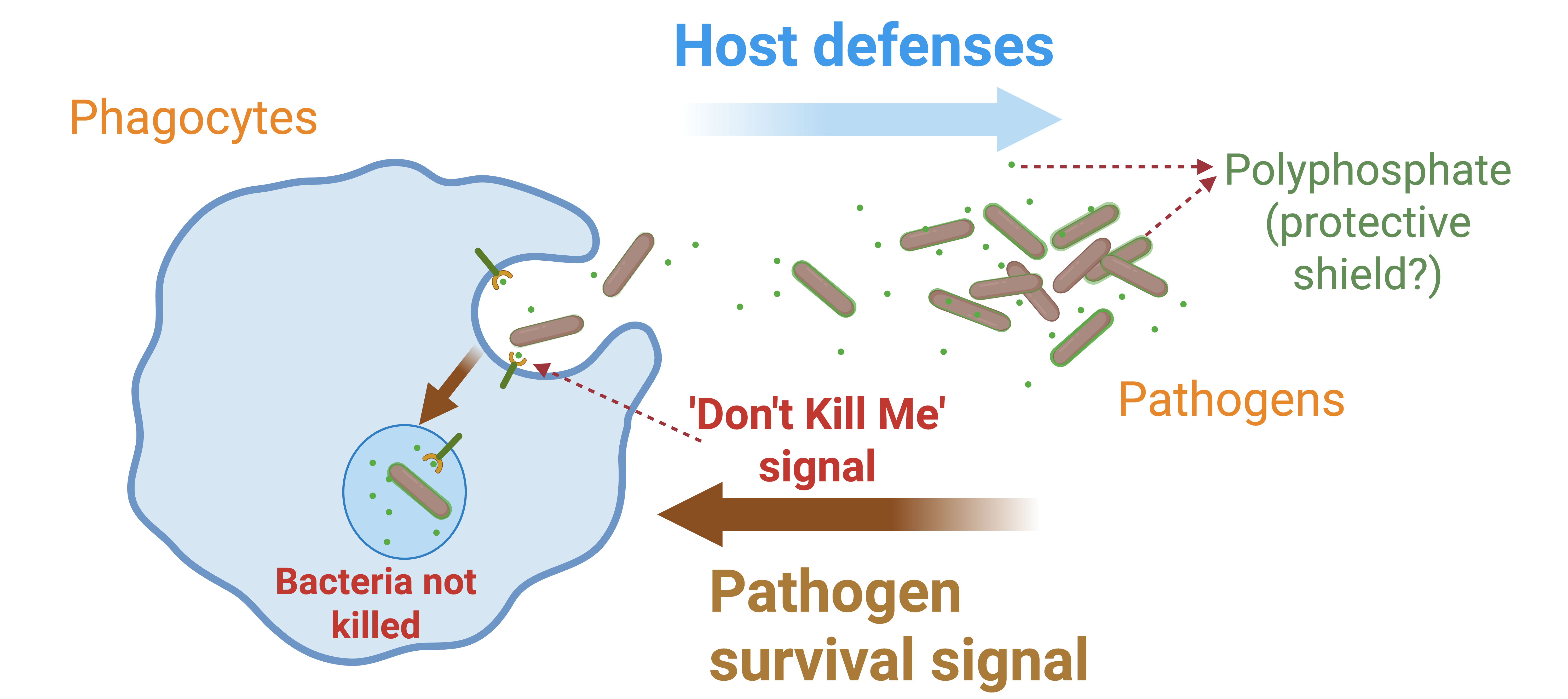
The Rijal Lab investigates how bacterial pathogens—particularly Mycobacterium tuberculosis—evade killing by human phagocytes and establish permissive intracellular niches. We combine BSL-3 infection models, live-cell imaging, genetic screens, and multi-omic profiling to define the bacterial and host mechanisms that determine whether engulfed bacteria are killed or survive.
We investigate bacterial polyphosphate as one potential survival factor at this host–pathogen interface.
RESEARCH PROGRAMS
Integrated research directions
Each program pairs a biological question with a genetic, chemical, or imaging strategy—producing mechanistic insights and therapeutic leads.
01
MACROPHAGE BIOLOGY
Mechanisms of macrophage permissiveness and bacterial intracellular survival
We investigate how M. tuberculosis converts macrophages from antimicrobial cells into permissive intracellular niches. We identify the bacterial and host factors that determine whether engulfed bacteria are killed or survive, beginning with phagosomal maturation, lysosomal function, and cell-autonomous host defense. Polyphosphate is one bacterial factor we examine as a potential regulator of this transition.
BIOLOGICAL FOCUS
Macrophage permissiveness, phagosome maturation, lysosomal degradation, cell-autonomous host defense, host–pathogen signaling, bacterial intracellular survival, and polyphosphate biology
EXPERIMENTAL STRATEGY
Live-cell pHrodo and LysoTracker imaging, BSL-3 infection models, CRISPRi and CRISPR knockout screens, cytokine profiling, multi-omic profiling, and follow-up genetic, biochemical, and imaging studies guided by screen and phenotype data
REPRESENTATIVE PUBLICATION · 2025
Pharmacological inhibition of host pathways enhances macrophage killing of intracellular bacterial pathogens
Microbiology Spectrum, 2025 — Rijal R, Gomer RH.
Demonstrates that targeting host G-protein signaling forces macrophages to kill M. tuberculosis more efficiently.
02
ANTIBIOTIC TOLERANCE
Transcriptional and metabolic determinants of M. tuberculosis antibiotic tolerance and persistence
Antibiotic-tolerant M. tuberculosis populations can survive drug exposure without stable, resistance-conferring genetic mutations. We use CRISPRi screens, transcriptomics, metabolomics, and infection models to identify the regulatory and metabolic states that enable persistence.
BIOLOGICAL FOCUS
Antibiotic tolerance, drug persistence, stress-response gene regulation, dormancy, and metabolic adaptation
EXPERIMENTAL STRATEGY
CRISPRi-based gene silencing, RNA-seq, metabolomics, minimum bactericidal concentration assays, and BSL-2 & 3 drug-exposure models
REPRESENTATIVE PUBLICATION · 2024
Gallein potentiates isoniazid’s ability to suppress Mycobacterium tuberculosis growth
Frontiers in Microbiology, 2024 — Rijal R, Gomer RH.
Shows that a G-protein inhibitor synergizes with a first-line TB drug, opening a host-directed adjunct therapy strategy.
03
DRUG DISCOVERY
Chemical biology, target identification, and drug repurposing for tuberculosis
We pursue two complementary routes to new TB therapeutics: chemical-genetic identification of bacterial vulnerabilities, including polyphosphate metabolism and stress-response pathways; and structure-based screening of FDA-approved drug libraries against defined M. tuberculosis targets. Computationally prioritized candidates are tested through biochemical, high-content imaging, and BSL-2 & 3 infection models to identify leads for further preclinical development.
BIOLOGICAL FOCUS
Antimicrobial mechanism of action, bacterial target identification, stress-response pathways, polyphosphate metabolism, and drug repurposing for TB
EXPERIMENTAL STRATEGY
Structure-based virtual screening of FDA-approved compound libraries, high-content imaging-based validation, MIC/MBC and dose-response assays, multi-omic target identification, biochemical validation, and BSL-2 & 3 infection models
FOUNDATIONAL PUBLICATION · 2020
Polyphosphate is an extracellular signal that can facilitate bacterial survival in eukaryotic cells
PNAS, 2020 — Rijal R, Cadena LA, Smith MR, Carr JF, Gomer RH.
Identified polyphosphate as a bacterial immune-evasion signal and established the biochemical foundation for the lab’s drug discovery pipeline.
HOW WE WORK
From perturbation and screening to mechanistic insight
We pair each biological question with the most informative genetic, chemical, imaging, and multi-omic approach—moving from discovery to mechanism and therapeutic prioritization.
STEP 01
Genetic and chemical perturbation
We use CRISPRi to silence selected M. tuberculosis genes and define their roles during infection, antibiotic tolerance, and drug susceptibility. Chemical perturbation and compound screening complement these studies by identifying bacterial vulnerabilities and candidate therapeutic leads.
CRISPRi
Gene silencing
Chemical biology
STEP 02
Live-cell fluorescence and high-content imaging
We use fluorescence microscopy in BSL-2 and BSL-3 settings to track phagosomal acidification, bacterial survival, and host-cell responses in infected macrophages. Reporters such as pHrodo and LysoTracker connect cellular phenotypes to mechanisms of intracellular survival.
Live-cell imaging
pHrodo
LysoTracker
Fluorescence
STEP 03
Multi-omics and biochemical validation
We follow prioritized genetic and chemical hits with RNA-seq, proteomics, metabolomics, and biochemical assays to identify mechanism, validate targets, and prioritize therapeutic candidates.
RNA-seq
Proteomics
Metabolomics
Biochemistry
INFRASTRUCTURE & FACILITIES
Research infrastructure at USM
Our work is supported by certified containment, advanced imaging, and statewide multi-omic core facilities that enable mechanistic studies of intracellular infection and therapeutic discovery.
BSL-2 · BSL-3 · ABSL-3
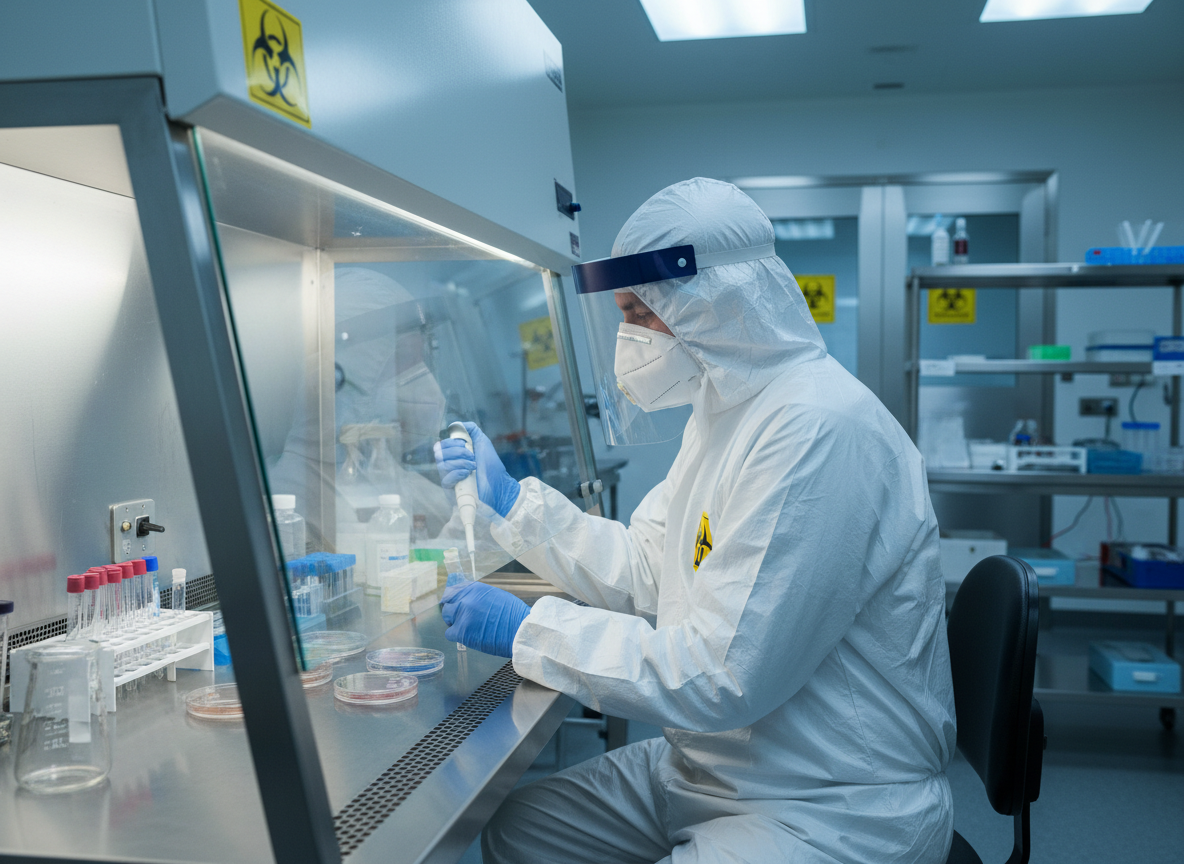
Certified containment for infection research
Select Agent–registered BSL-3 and ABSL-3 facilities at the University of Southern Mississippi support controlled studies of high-consequence pathogens, infected-cell models, and animal infection research. USM requires documented proficiency for researchers working in BSL-3 laboratories.
Advanced Imaging and Microscopy
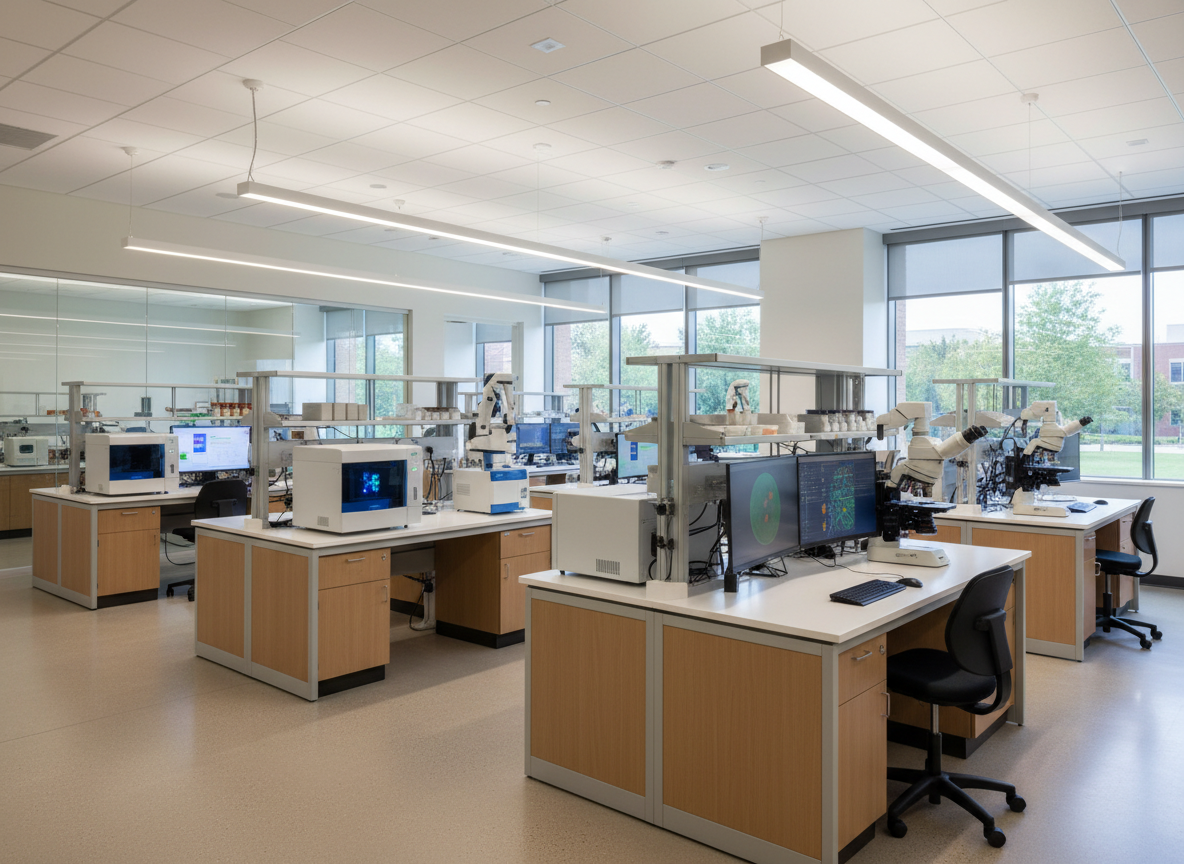
Live-cell, fluorescence, and ultrastructural imaging
USM’s Imaging Facility provides confocal, fluorescence, and electron-microscopy capabilities, along with imaging expertise, data acquisition, and analysis support. These resources support live-cell imaging, phagosomal phenotyping, and bacterial ultrastructural studies.
Mississippi INBRE Core Facilities
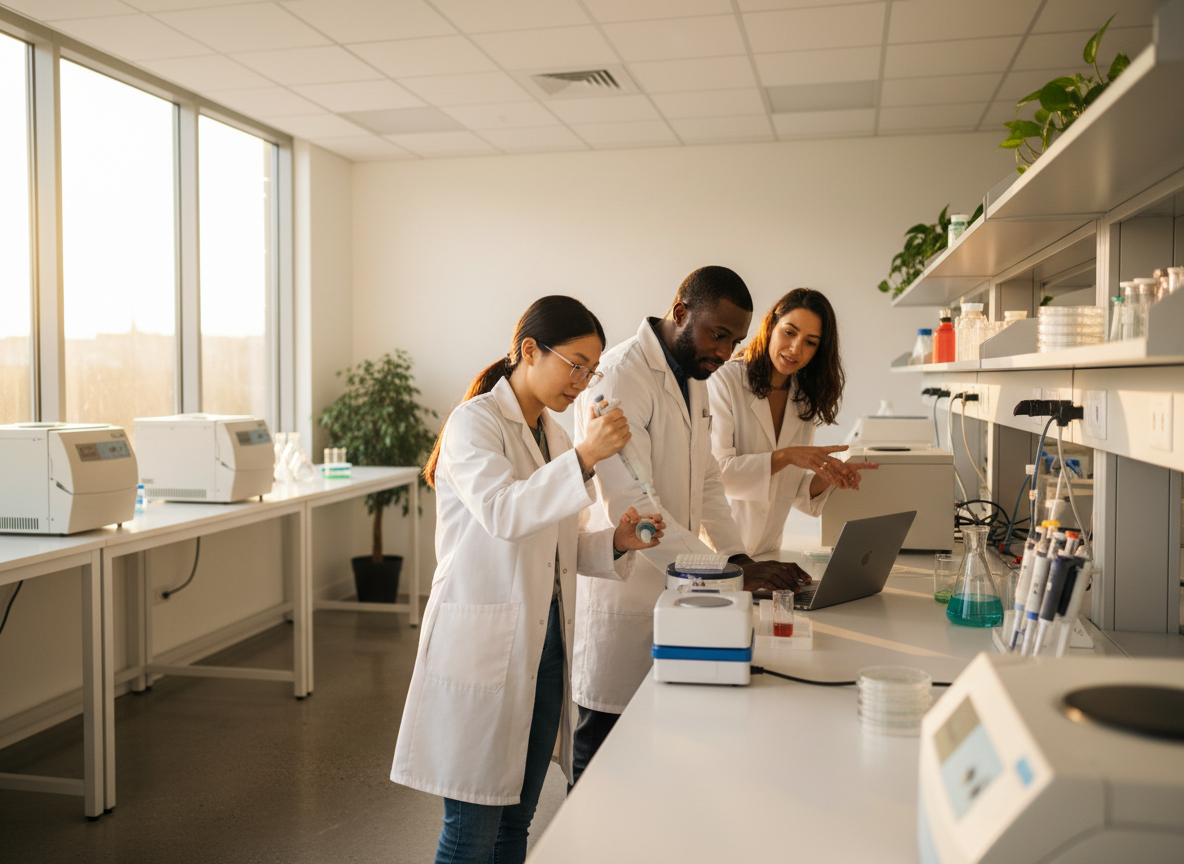
Statewide multi-omic and analytical support
The Mississippi INBRE network connects the lab to specialized genomics, proteomics, metabolomics/lipidomics, bioenergetics, and imaging cores across the state—supporting the multi-omic and mechanistic studies central to our research.
FUNDED RESEARCH
Current grants and research support
External funding supporting the lab’s research and training mission.
GRANT
USM Startup Fund
Principal Investigator · Since August 2024
Institutional startup funding from the University of Southern Mississippi supports the lab’s macrophage biology program, investigating how M. tuberculosis uses polyphosphate to subvert macrophage killing and evade host immune defenses.
GRANT
NIH R16 — NIAID
Principal Investigator · Since September 2025
A four-year NIH R16 award from the National Institute of Allergy and Infectious Diseases supports the project “Elucidating the Role of Extracellular Polyphosphate in M. tuberculosis Antibiotic Tolerance,” investigating how extracellular polyphosphate enables M. tuberculosis to survive antibiotic pressure and how this pathway can be targeted to improve treatment.
GRANT
Mississippi INBRE Project Development Grant
Co-Principal Investigator · Since October 2025
In collaboration with Daniel Graham at Millsaps College, the Rijal Lab leads experimental validation for a structure-based drug-repurposing project for tuberculosis. We test computationally prioritized FDA-approved compounds in biochemical assays and human macrophage infection models to identify promising anti-TB therapeutic leads.

