
Academic Teaching
Training Scientists in Microbiology & Molecular Genetics
I teach undergraduate and graduate courses in microbiology, molecular genetics, infectious-disease biology, experimental methods, and professional development at the University of Southern Mississippi. My goal is to connect classroom learning directly to the practice of science — building students who can think critically, work independently, and communicate their findings with clarity.
Fall 2026
Currently Teaching

Undergraduate & Graduate · 3 Credits
BSC 481/581 · Pathogenic Microbiology
Offered every fall
An introduction to medically important microorganisms and the mechanisms of disease, with emphasis on bacterial pathogens, host defenses, bacterial pathogenesis, and antimicrobial agents.
Course Focus
- Host defenses and immune responses to bacterial infection
- Mechanisms of bacterial pathogenesis
- Antibacterial agents and mechanisms of action
- Major bacterial pathogens and organ-system diseases
- Clinical case analysis and interpretation
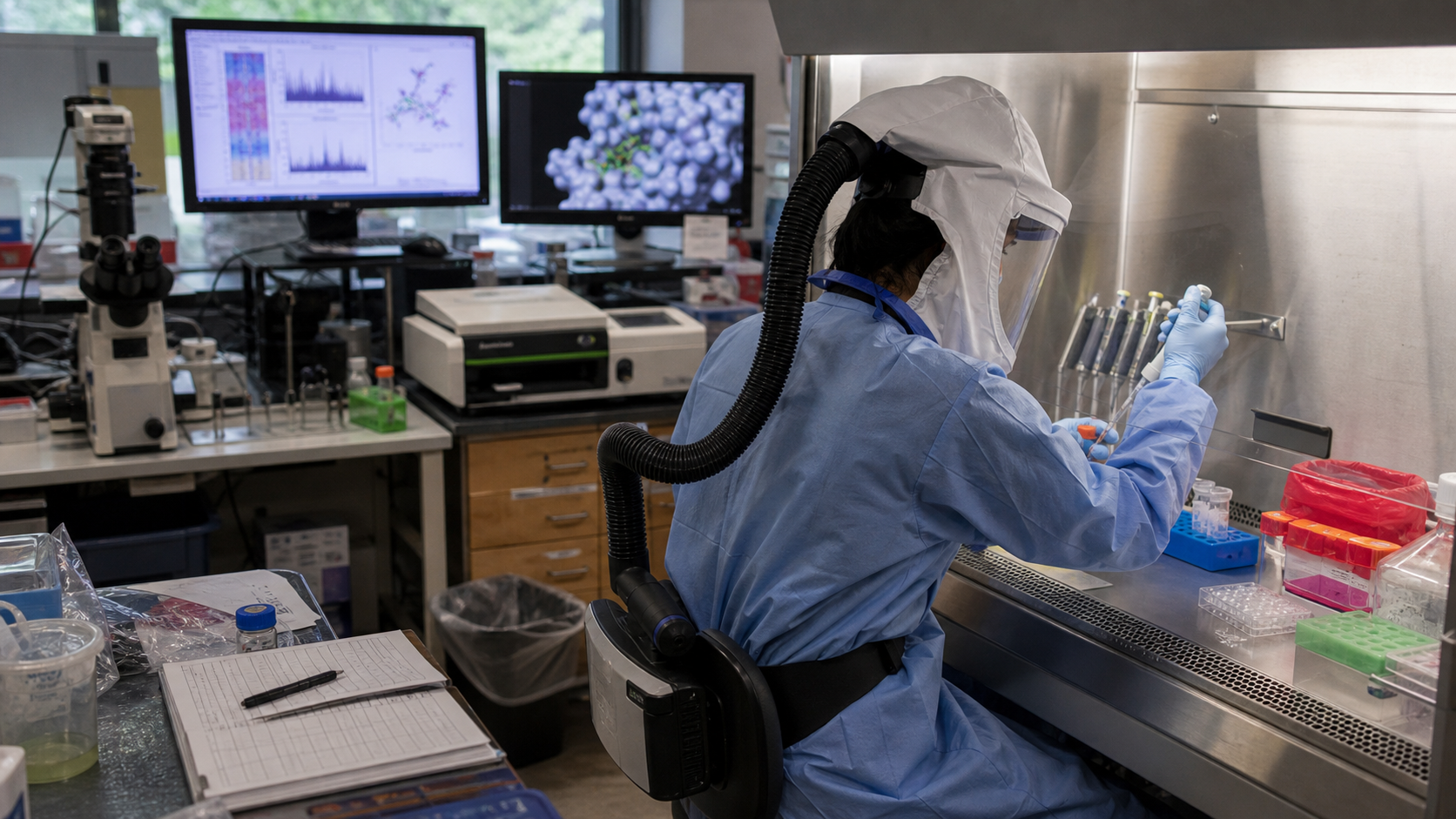
Graduate · 3 Credits · Team Taught
BSC 662 · Research Tools
Offered spring or fall
Advanced training in the experimental and analytical tools used in molecular, cellular, and biomedical research.
Dr. Rijal’s Module
- Infectious-disease model systems
- Biosafety practices in microbiology and BSL-3
- Methods to study host–bacterial interactions
- Multi-omics profiling of host and pathogen
- Drug discovery approaches targeting immune evasion
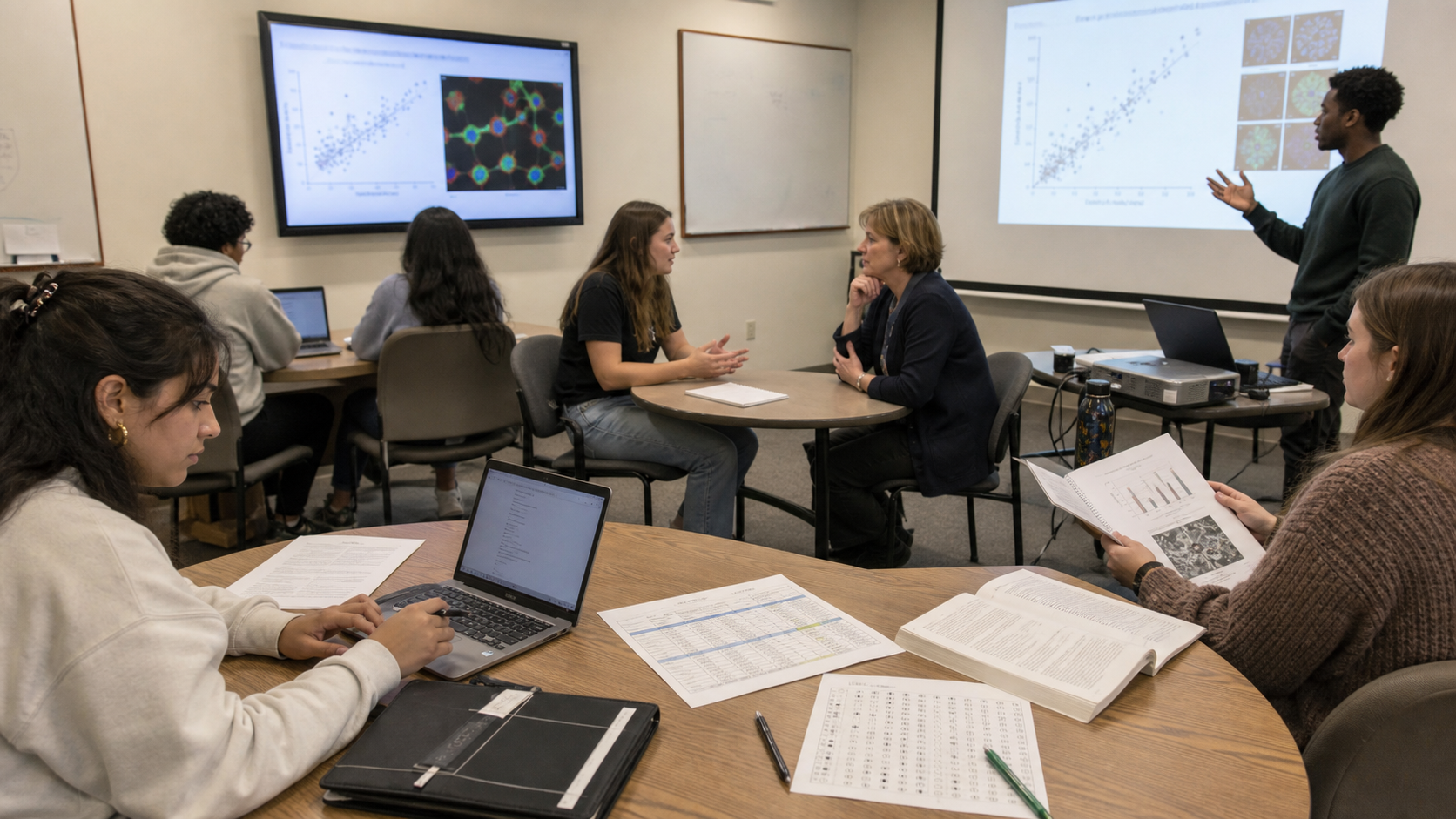
Senior Capstone · 1 Credit.
BSC 497 · Senior Practicum
Offered spring and fall
A capstone experience that strengthens scientific communication, professional development, and career-readiness skills.
What Students Do
- Prepare a résumé and cover letter
- Complete a mock interview
- Review scientific seminars and reflect on research careers
- Document technical and analytical skills
- Take the ETS Biology Major Field Test
- Write and present a research paper
Spring Semester
Courses Offered Regularly
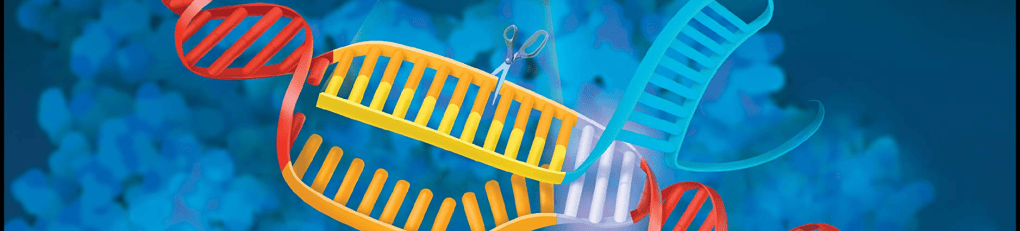
Undergraduate & Graduate · 3 Credits · Offered Every Spring
BSC 477/577 · Microbial Genetics
Introduces bacterial molecular genetics and genomics, including transcription, translation, gene regulation, genome stability, mutation, and modern genetic approaches for pathogenic bacteria.
Course Project
Microbial-genome bioinformatics analysis and written report. Students also participate in the HHMI SEA-PHAGES and SEA-GENES programs — discovering, sequencing, and annotating bacteriophage genomes.
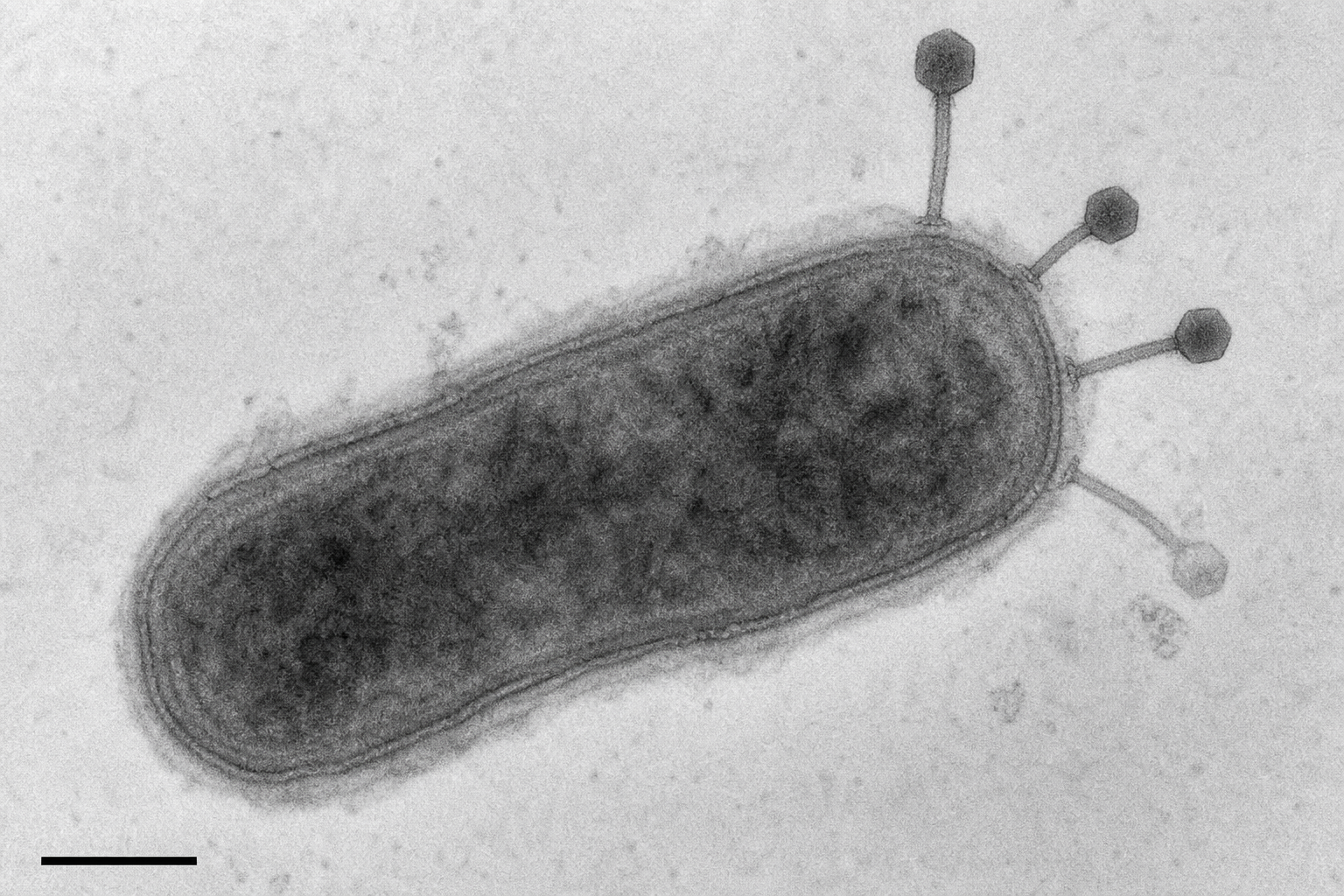
Undergraduate & Graduate Laboratory Course · 1 Credit · Offered Every Spring
BSC 477L/577L · Microbial Genetics Laboratory
Teaching Collaboration
USM partners with the HHMI SEA-PHAGES and SEA-GENES programs. Students in BSC 477/577 participate in discovering, sequencing, and annotating bacteriophage genomes as part of this national undergraduate research initiative.
A hands-on molecular microbiology laboratory that accompanies BSC 477/577. Students use modern genetic approaches to investigate bacteriophage genes and their effects on bacterial growth.
Course Project
Students amplify and clone hypothetical genes from bacteriophage Xavia using PCR and Gibson assembly, introduce constructs into Mycobacterium smegmatis, and test whether phage genes inhibit bacterial growth. The course develops practical experience in molecular genetics, experimental design, data interpretation, laboratory documentation, and scientific communication.
Research notebook · Written report · Poster · Oral presentation
Archive
Previously Taught Courses
Undergraduate & Graduate · 3 Credits
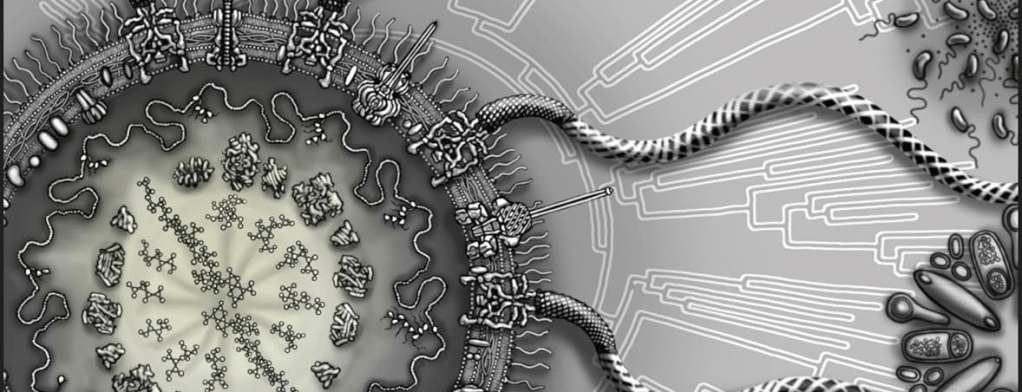
BSC 487/587 · Microbial Physiology
Not currently taught by Dr. Rijal
Explores how microorganisms grow, generate energy, regulate metabolism, and adapt to their environments — covering growth kinetics, energy generation, biosynthesis, and environmental responses.
Undergraduate & Graduate Laboratory Course · 1 Credit
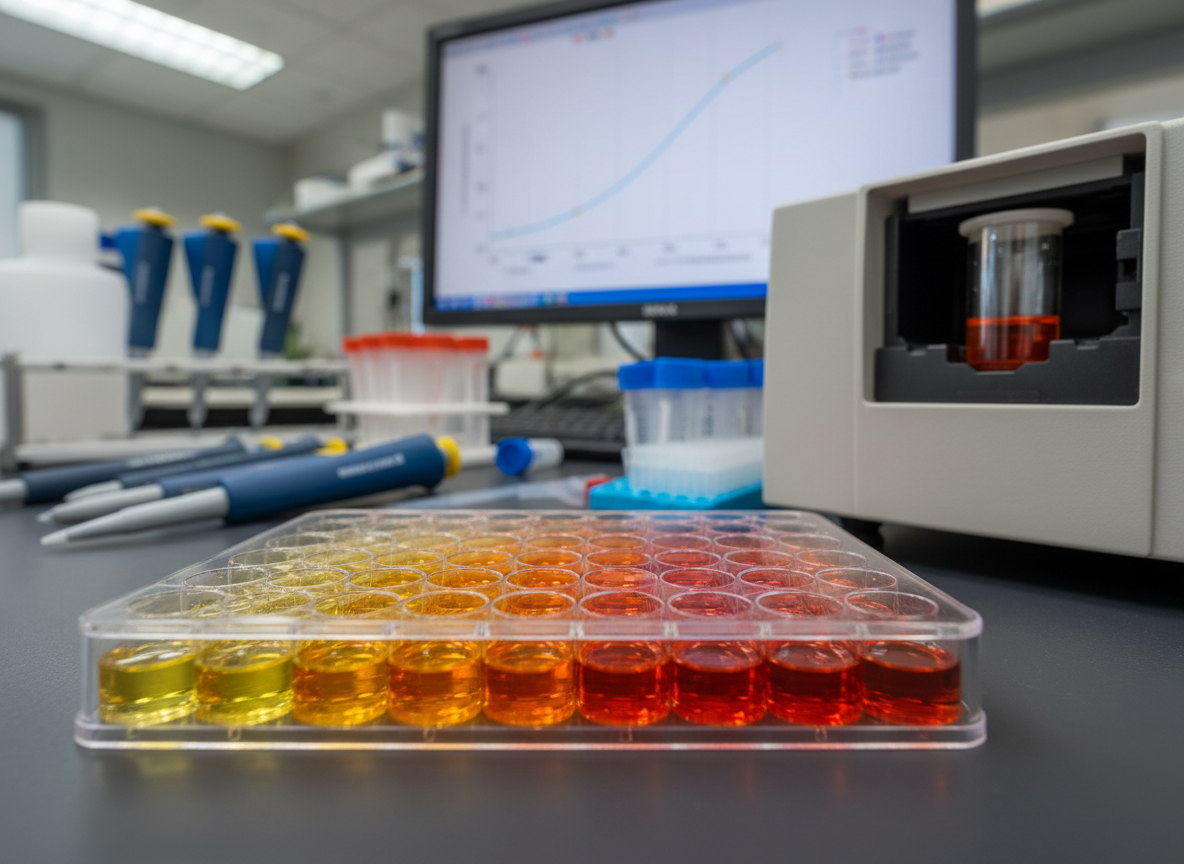
BSC 487L/587L · Microbial Physiology Laboratory
Not currently taught by Dr. Rijal
A laboratory course focused on microbial growth and physiology. Students practice microbial enumeration, dilutions and plate counts, growth-curve experiments, biochemical assays, data analysis, and enrichment of microbes capable of degrading selected xenobiotic compounds.
TEXTBOOKS & COURSE RESOURCES
Course Textbooks
Students should consult the current syllabus and Canvas for the edition, access format, and course-specific reading guidance.
BSC 481/581 · Pathogenic Microbiology
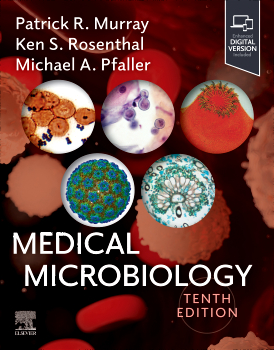
Medical Microbiology, 10th Edition
Patrick R. Murray, Ken S. Rosenthal, and Michael A. Pfaller
Elsevier · ISBN 978-0-443-26133-6
Required reference. A clinically oriented text covering medical microbiology, immunology, infectious diseases, bacterial pathogens, and host defenses.
BSC 477/577 · Microbial Genetics
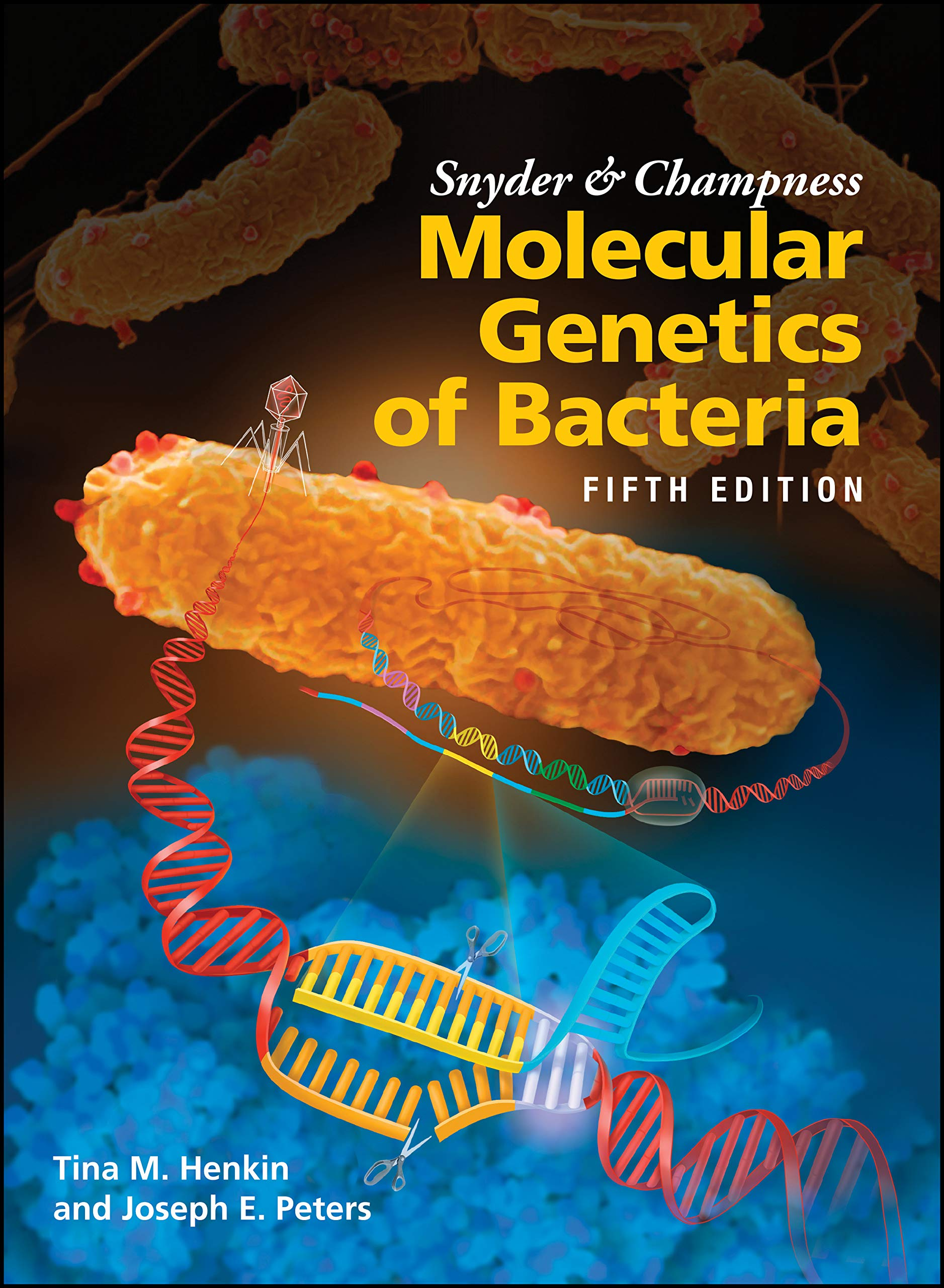
Snyder & Champness Molecular Genetics of Bacteria, 5th Edition
Tina M. Henkin and Joseph E. Peters
ASM Press · 2020 · ISBN 978-1-555-81975-0
Required text. Covers bacterial molecular genetics and genomics, including DNA replication, gene expression, genetic analysis, recombination, and genome biology.
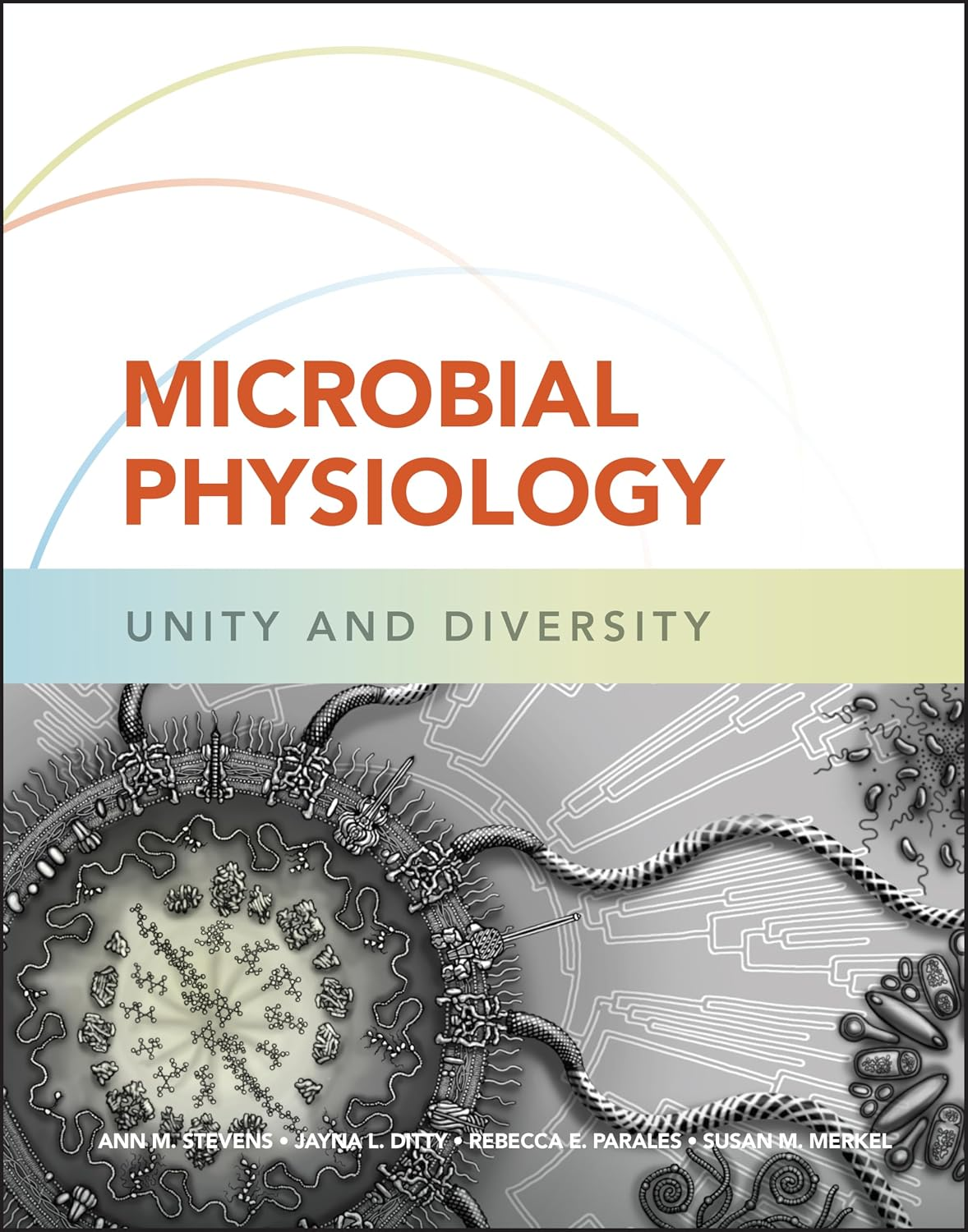
BSC 487/587 · Microbial Physiology
Microbial Physiology: Unity and Diversity
Ann M. Stevens, Jayna L. Ditty, Rebecca E. Parales, and Susan M. Merkel
ASM Press and John Wiley & Sons · 2024 · ISBN 978-1-683-67367-5
Recommended reference. Introduces microbial structure, growth, metabolism, bioenergetics, gene regulation, and environmental adaptation.
📚 Course materials, supplementary readings, and announcements are provided through Canvas.
Contact
Questions About Courses?
For course-related inquiries, contact Dr. Rijal through the department or reach out via the Opportunities page.

